Recognizing the Benefits and Uses of Fenbendazole in Veterinary Medication
Fenbendazole has developed itself as an essential anthelmintic in vet medication. Its capacity to target numerous parasitical infections makes it an important device for vets. The drug's device interferes with crucial mobile processes in bloodsuckers, resulting in effective treatment outcomes. Nonetheless, its safety and security account ranges species, necessitating cautious consideration in its usage. Comprehending these characteristics can drop light on fenbendazole's wider effects in vet care and ongoing research into its possible beyond typical applications
Mechanism of Activity of Fenbendazole

Common Parasitical Infections Treated With Fenbendazole
A selection of parasitical infections are efficiently treated with fenbendazole, making it a functional choice in vet medication. This anthelmintic representative is specifically efficient against nematodes, including roundworms and hookworms, which typically influence dogs and cats. It is additionally used for the treatment of cestodes, such as tapeworms, providing a wide range of action against both kinds of digestive parasites. In addition, fenbendazole is beneficial in taking care of infections triggered by protozoa, specifically Giardia, which can lead to intestinal distress in pets. Its efficiency extends to dealing with particular lungworms in pooches and felines, dealing with respiratory system health issues linked to these parasites. On the whole, fenbendazole's capability to target several parasitic types makes it an important device in vet method, ensuring the health and health of pets affected by these typical infections.
Security and Efficacy in Different Animal Species
The safety and security and effectiveness of fenbendazole differ among various pet varieties, emphasizing the significance of species-specific considerations in vet medication. In dogs, fenbendazole is normally well-tolerated and efficient versus a series of gastrointestinal bloodsuckers, consisting of roundworms and hookworms. For felines, however, its use is much less common and might need mindful application as a result of prospective unfavorable reactions.
In livestock, such as livestock and sheep, fenbendazole demonstrates performance versus different endoparasites, adding to improved wellness and productivity. The pharmacokinetics and possible side impacts can vary substantially in between varieties, demanding cautious evaluation by vets.
Horses additionally respond favorably to fenbendazole, specifically for treating strongyles and ascarids, though dose and administration routes have to be customized to their helpful site one-of-a-kind physiology. Consequently, comprehending these distinctions is crucial for maximizing therapy end results and making sure pet welfare across varied types.
Administration and Dosage Standards
Appropriate administration and dosage standards are essential for optimizing the healing impacts of fenbendazole while lessening potential negative effects. The dose normally differs depending on the species being dealt with, the certain problem, and the formula of fenbendazole utilized. fenbendazole 222. For canines and pet cats, a typical dosage is 50 mg/kg body weight, carried out when daily for three successive days, but vets might change this based on specific health and wellness assessments
It is crucial to carry out fenbendazole with food to enhance absorption and decrease gastrointestinal distress. The drug is readily available in numerous forms, including granules and paste, enabling flexible management options. Keeping track of the pet's action during and after treatment is recommended to validate efficacy and security. Additionally, vet guidance is important to establish the ideal duration of treatment based on the sort of parasitical infection being attended to, assuring perfect outcomes for the pet's wellness.
Future Point Of Views and Study on Fenbendazole
Research study on fenbendazole proceeds to advance, concentrating on its possible applications past standard antiparasitic uses. Recent research studies have explored its effectiveness in treating different kinds of cancer cells, especially in vet oncology. Initial data recommend that fenbendazole might prevent the growth of tumor cells and enhance the effects of various other chemotherapeutic representatives.
Furthermore, scientists are examining its duty in managing food poisonings in pets, highlighting its anti-inflammatory residential or commercial properties. The adaptability of fenbendazole for various types raises concerns about its safety profiles and ideal application these details routines in varied populaces.
As interest expands, there is a demand for thorough scientific tests to establish evidence-based standards for these novel applications. Future study might additionally investigate the devices behind fenbendazole's impacts, potentially leading the way for cutting-edge restorative techniques in veterinary medication. The continuous expedition of fenbendazole could substantially boost therapy options for different vet problems.
Regularly Asked Questions
Is Fenbendazole Safe for Pregnant Animals?
The safety and security of fenbendazole for pregnant animals continues to be unpredictable. While some studies recommend marginal danger, veterinarians usually recommend care and frequently discourage its usage throughout maternity unless the advantages plainly exceed potential risks.
Can Fenbendazole Be Made Use Of in Animals?
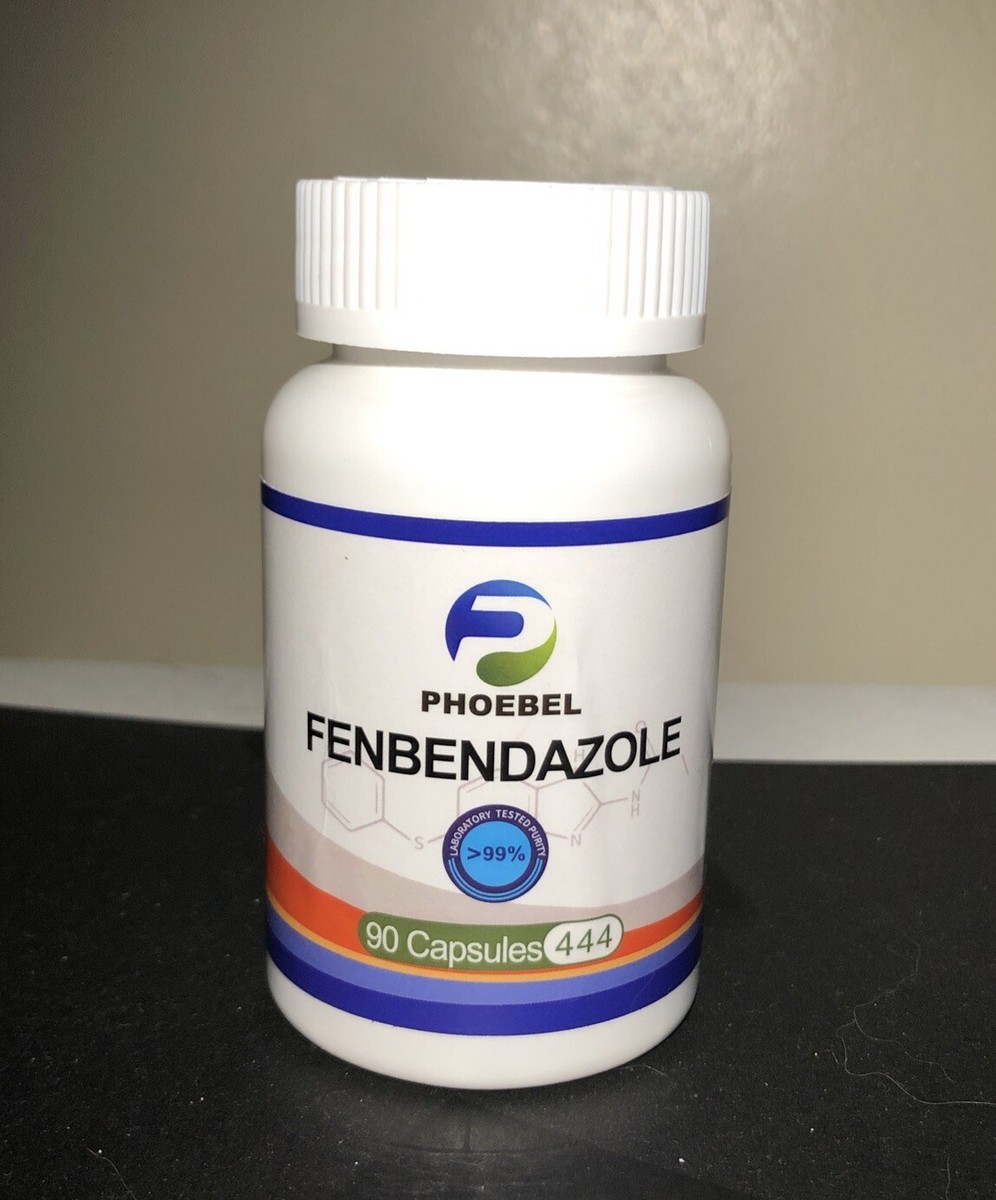
Fenbendazole is generally used in livestock to treat various parasitical infections. fenbendazole 444. Its efficiency versus stomach worms makes it a beneficial anthelmintic, adding to improved health and wellness and productivity in animals raised for food and fiber
What Are the Adverse Effects of Fenbendazole?

The negative effects of fenbendazole may consist of gastrointestinal disruptions, lethargy, and sensitive reactions. In uncommon cases, more serious reactions could take place, necessitating mindful monitoring and consultation with a veterinarian during therapy.
How Does Fenbendazole Compare to Other Dewormers?
Fenbendazole offers broad-spectrum efficiency versus various bloodsuckers, usually contrasting positively to various other dewormers. Its special device targets various life phases, making it effective, while usually offering a favorable safety profile contrasted to alternatives offered official website on the market.
Can Fenbendazole Be Utilized for Treating Cancer in Pet Dogs?
The possibility of fenbendazole in dealing with cancer in family pets has actually amassed interest. Preliminary studies recommend it may prevent cancer cell development, but better research is essential to validate its efficacy and security in veterinary oncology.